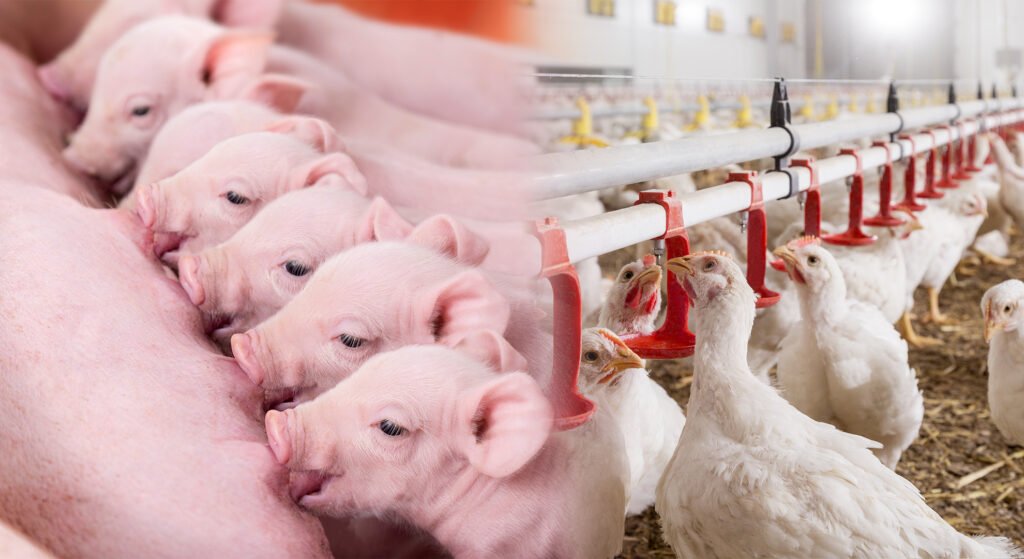
Having more productive farms with low mortality rates is a central goal for poultry and swine producers. However, achieving high levels of efficiency depends on several factors. Providing a high quality environment and proper water supply are among them. Trouw Nutrition is constantly seeking new technologies to contribute to the continuous growth of poultry and swine production. With this commitment, the company brings new solutions to the International Animal Protein Show SIAVS 2024: the TNSec+ drying powder for newborn piglets and Selko® AlpHa, which improves the microbiological quality of water and the gastrointestinal tract of poultry and swine.
The beginning of a piglet’s life determines the quality of its development and, consequently, productive performance in adulthood. For this reason, it is important to apply the LifeStart concept, now for swine, which encompasses a set of practices and concepts designed to leverage the early stage of animal life in order to achieve maximum productive potential.
“Drying piglets immediately after birth is the first measure, as physiologically the thermoregulatory capacity of neonates is deficient and energy reserves are low, sufficient for only a few hours after birth. For this important nutritional management practice, Trouw Nutrition introduces the TNSec+ drying powder, developed to promote the welfare of newborn piglets by increasing vitality and enabling rapid access to colostrum. In addition, it supports umbilical cord care and healing management, reducing moisture, odors and ammonia when applied in facilities,” explains Aneilson Soares, Technical Manager at Trouw Nutrition.
Another highlight at the trade fair is Selko® AlpHa for poultry and swine, a blend of free and buffered short chain organic acids that reduces water pH and has bacteriostatic and bactericidal activity. “Water is just as important as feed. Providing water combined with a mixture of buffered free organic acids improves intake, microbiological quality and inhibits the growth of Escherichia coli, Salmonella, yeasts and fungi. In digestive support, this acid blend reduces pH and the buffering capacity of feed in the crop and stomach, inhibiting the growth of gram negative bacteria. This improves feed digestion and supports protein breakdown by pepsin,” explains Josênio Cerbaro, Manager of the Water Quality and Intestinal Health Program.
Booth: Number 111
Press Office
Raphaela Candido
(11) 941883669
raphaela@textoassessoria.com.br